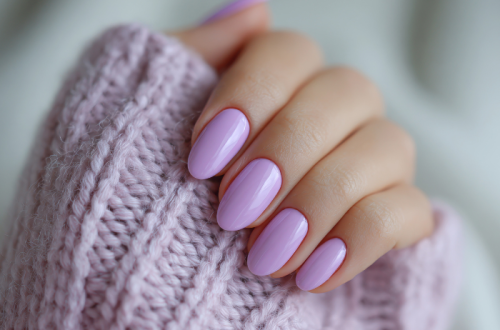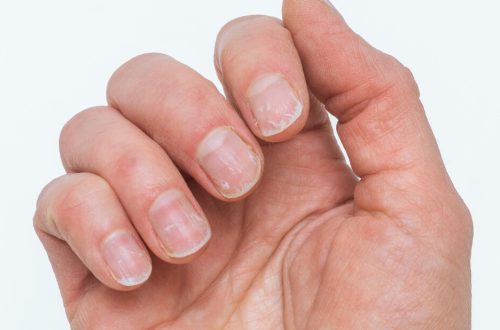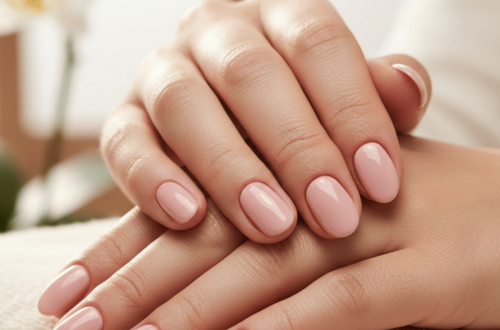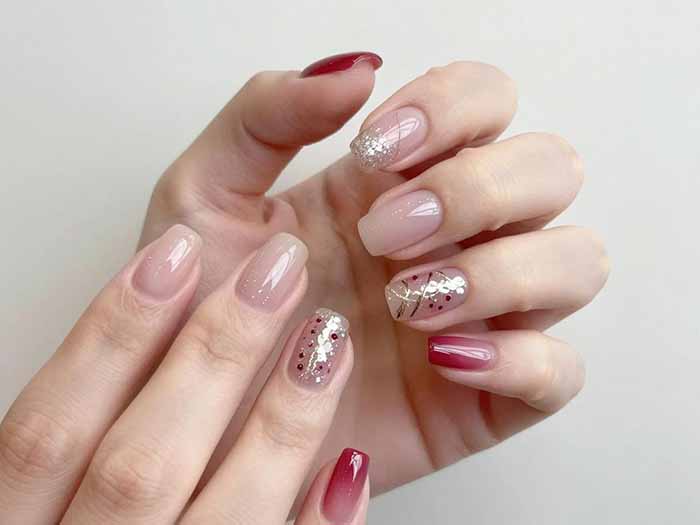
A fresh manicure looks perfect on day one. By day three, the edges may begin to lift. By day five, a chip appears. By day seven, the whole thing may be peeling off in sheets. Most people blame the polish. In reality, the polish is rarely the main problem. The longevity of a manicure depends on preparation, application, curing, and aftercare. When one of those steps fails, the manicure fails with it.
Here are the most common reasons manicures do not last—and how to fix them.
Why Manicures Fail?
Poor nail preparation. This is the number one cause. Natural nails carry oils, moisture, dust, and invisible cuticle tissue. If these are not removed, polish and gel cannot bond properly. The product sits on top of the nail instead of attaching to it. Water gets underneath, and lifting begins.
Skipping base coat. Base coat is not optional. It creates a sticky layer that helps colour adhere and protects the nail from staining. Without it, polish chips faster and leaves behind yellow stains.
Applying thick layers. Thick polish takes longer to dry and cures unevenly. It bubbles, wrinkles, and peels. Thin layers are always stronger and last longer.
Getting product on the skin. Polish or gel that touches the cuticle or sidewalls creates a weak point. The skin moves and produces oil, so the product lifts at the edges. Once the edge lifts, water enters and the whole manicure begins to fail.
Forgetting to cap the free edge. The tip of the nail is the most vulnerable point. If it is not sealed, water seeps underneath and causes chipping. Every layer—base, colour, and top coat—should be run along the tip.
Under-curing or using the wrong lamp. Gel polish must be cured with a compatible lamp for the correct amount of time. If it is under-cured, the gel stays soft underneath. It may look hard on the surface, but it will peel within days. A weak or incompatible lamp causes the same problem.
Using old or low-quality products. Cheap polishes, expired gels, and separated base coats do not perform properly. They may not adhere, cure evenly, or maintain their finish.
Natural nail type. Oily nail beds repel polish. Weak, peeling, or flexible nails cause product to lift as the nail bends. Some people simply have nail chemistry that requires extra dehydration and a stronger base coat.
Lifestyle and daily habits. Water is the enemy of every manicure. Dishwashing, cleaning, long showers, and swimming all weaken the bond. Using nails as tools—opening cans, peeling stickers, scraping labels—causes chips and breaks. Cleaning products and hand sanitisers strip oils and dull the finish.
Improper removal. Peeling off gel or acrylic damages the natural nail. It strips layers off the nail plate, leaving it thin and rough. The next manicure has a poor surface to bond to, so it fails faster.
How to Make Your Manicure Last Longer?
The good news is that almost every cause of poor wear is preventable. Here is how to extend the life of your manicure.
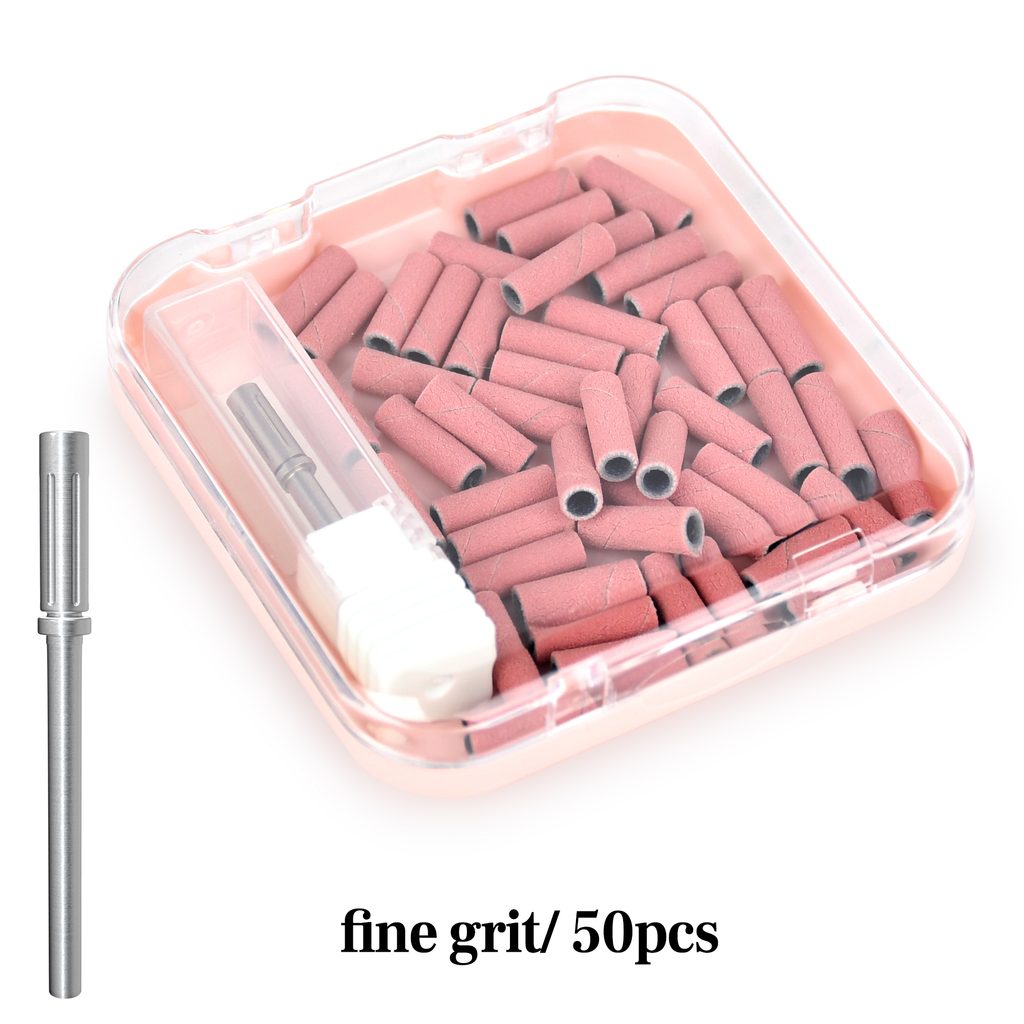
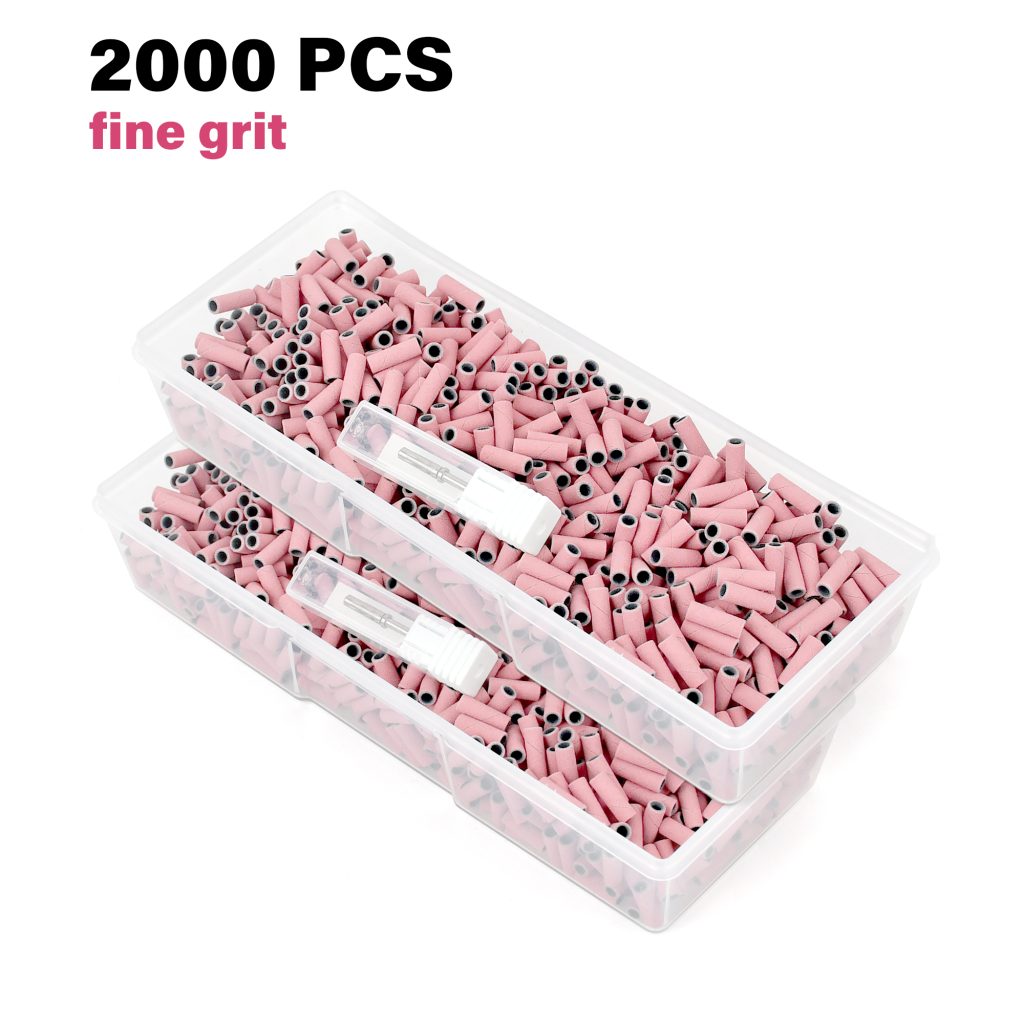
Master your preparation. Start with clean, dry nails. Remove old polish. Shape the nails with a fine-grit sanding band, filing in one direction only. Push back the cuticles gently. Do not cut living cuticle. Lightly buff the nail surface to remove shine—two or three passes are enough. Remove all dust with a brush or lint-free wipe. Then wipe each nail with a nail dehydrator or 91% isopropyl alcohol. Do this twice. After this step, do not touch your nails. Finger oils transfer instantly and ruin adhesion.
Choose the right base coat. For oily nails, use a sticky or rubberised base coat. For dry or weak nails, use a strengthening base coat. For normal nails, a standard base coat is fine. If you use gel, use a gel base coat and cure it fully.
Apply thin layers. This is the golden rule. Two or three thin coats of colour are better than one thick coat. Thin layers dry or cure evenly, look smoother, and chip less. For gel, keep each layer thin and cure between coats.
Keep product off the skin. Leave a small gap—about one millimetre—between the polish or gel and your cuticle and sidewalls. If product touches the skin, clean it up immediately with a small brush dipped in alcohol or remover. Do not cure gel that is on the skin.
Cap the free edge. Run the brush along the tip of the nail with every layer. This seals the edge and prevents water from seeping underneath. It is one of the most effective habits for long wear.
Cure fully. Follow the manufacturer’s recommended cure time. Use a lamp that is compatible with your gel brand. Replace bulbs or the lamp when curing becomes slow or uneven. If the gel feels sticky or soft after curing, give it more time.
Seal with a good top coat. Top coat protects the colour and adds shine. For regular polish, reapply a thin layer every two to three days. For gel, apply a gel top coat and cure it fully. Cap the free edge.
Practise good aftercare. Apply cuticle oil daily. Hydrated nails are flexible and less likely to chip. Wear gloves for dishwashing, cleaning, and gardening. Avoid using your nails as tools. Keep your hands dry when possible. Do not pick or peel lifted polish or gel. If a small chip appears, file it smooth and seal it with top coat.
Schedule regular maintenance. Gel and acrylic enhancements need fills every two to three weeks. Regular maintenance keeps the structure balanced and prevents lifting. If you wear regular polish, remove and reapply it before it starts to chip badly.
Remove products properly. Never peel off gel or acrylic. For gel, file the top coat, soak cotton in pure acetone, wrap with foil, wait 10–15 minutes, and gently push off the softened gel. For acrylic, have it filed off or soaked according to the product type. After removal, apply cuticle oil and give your nails a break.
Final Thoughts
A long-lasting manicure is not about luck. It is the result of careful preparation, thin application, full curing, and consistent aftercare. The polish matters, but the technique matters more. Remove oils and dust, use a proper base coat, keep layers thin, cap the free edge, and protect your hands from water and trauma. With these habits, your manicure can last from a few days to two or three weeks. Your nails will look better, and you will spend less time fixing chips and more time enjoying your polished hands.
Read also: The Complete Guide to Professional Nail Care: How to Keep Your Nails Healthy and Strong