I used to think nail care was just about keeping them trimmed and occasionally applying polish. But after years of dealing with peeling, splitting, and slow-growing nails, I realised that proper nail care requires a comprehensive approach. Your nails are a reflection of your overall health, and they deserve the same attention you give to your skin and hair.
Here is everything I have learned about professional nail care—the habits that keep nails healthy, the mistakes to avoid, and the routine that actually works.
Clean and Dry: The Foundation of Nail Health
The most basic—and most important—rule of nail care is keeping your nails clean and dry. This may sound obvious, but it is the first line of defence against infections and damage.
Wash your hands regularly, but dry them thoroughly, paying special attention to the spaces between fingers and under the nail tips. Excess moisture trapped under the nails creates a breeding ground for bacteria and fungi, which can lead to infections and discoloration. For the same reason, avoid prolonged contact with water. Wear rubber gloves when washing dishes or cleaning.
When you dry your hands, do not forget the nails. Pat them dry gently. A simple habit of thorough drying after every wash can significantly reduce the risk of nail problems.
Trim and Shape: The Correct Way
Trimming your nails is simple, but doing it incorrectly is one of the most common causes of nail problems. Use sharp, high-quality nail clippers. Dull clippers crush the nail instead of cutting cleanly, leading to jagged edges that can catch and tear.
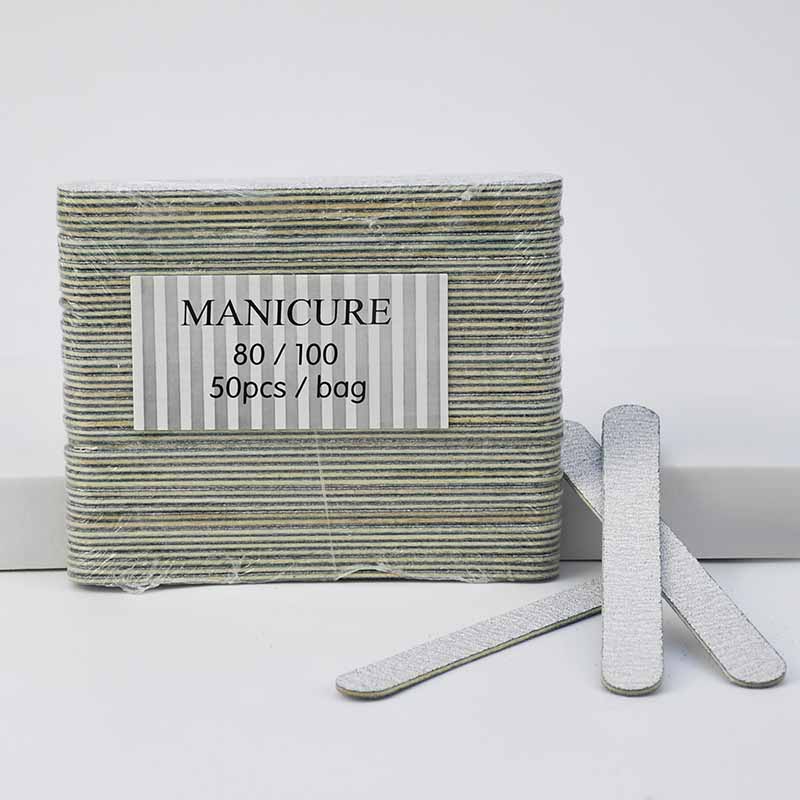
Cut your nails straight across. For fingernails, you can gently round the tips in a slight curve. For toenails, always cut straight across to prevent painful ingrown nails. Leave a small amount of white at the tip; cutting too short can lead to pain and infection. After trimming, smooth the edges with a fine-grit nail file. Always file in one direction—never saw back and forth. This prevents micro-tears that lead to peeling and splitting.
Soften and Manage Your Cuticles
The cuticle is the protective seal around your nail that prevents bacteria from entering the sensitive nail matrix. It is often misunderstood and mistreated.
Never cut your cuticles. This is one of the most important rules in nail care. The cuticle is there for a reason; cutting it compromises your nail’s natural barrier against infection and leads to painful hangnails and ragged edges. Instead, push them back gently after a shower or soak, when they are soft. Use a wooden cuticle stick, not a metal one. A wooden stick is gentler and less likely to damage the nail plate. If you have loose, dead skin, you can trim it with clean nippers, but never cut the living tissue.
After pushing back your cuticles, apply a nourishing cuticle oil or cream. This keeps the area soft, prevents painful tears, and promotes healthy nail growth.
Moisturise: The Overlooked Essential
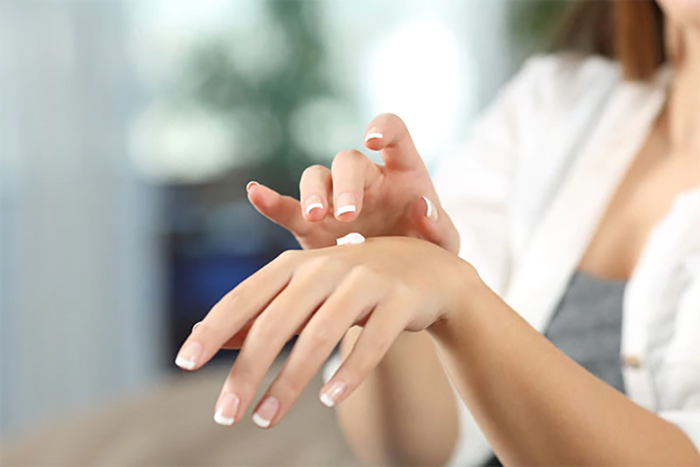
Nails and cuticles need hydration. Without it, they become brittle, dry, and prone to splitting and peeling. Applying a moisturizing nail and cuticle balm is a vital step in any nail care routine. It keeps nails and cuticles flexible and prevents cracks that can lead to infection.
Apply cuticle oil or a rich hand cream at least twice a day. After washing your hands, apply a moisturising cream to keep the skin around your nails soft and hydrated. For an intensive treatment, apply a thick layer of balm before bed and wear cotton gloves overnight. This prevents dryness and keeps the skin around your nails soft.
The Role of Diet in Nail Health
What you eat directly affects the health of your nails. Nails are made of keratin, a protein. Without adequate protein in your diet, your nails will become weak and brittle. Include lean meats, eggs, fish, beans, and legumes in your diet. Biotin, a B vitamin, has been shown to improve nail thickness and reduce splitting. It is found in eggs, nuts, seeds, and sweet potatoes. Iron and zinc are also essential for nail health. A deficiency in iron can cause thin, spoon-shaped nails. Include spinach, red meat, lentils, and fortified cereals. If you suspect a deficiency, consult a healthcare provider. A daily multivitamin or a biotin supplement may help, but a balanced diet is the most reliable way to get the nutrients you need.
Common Mistakes to Avoid
Using nails as tools. This is a bad habit that damages nails and causes breakage. Use proper tools instead. Avoid opening cans, peeling stickers, or scraping with your nails.
Biting your nails. This damages the nail bed, introduces bacteria, and weakens nails. If you are a biter, consider a bitter-tasting nail polish to break the habit.
Ignoring hangnails. That loose piece of skin will only tear deeper. Clip it flush with clean nippers and apply antibiotic ointment if it is sore.
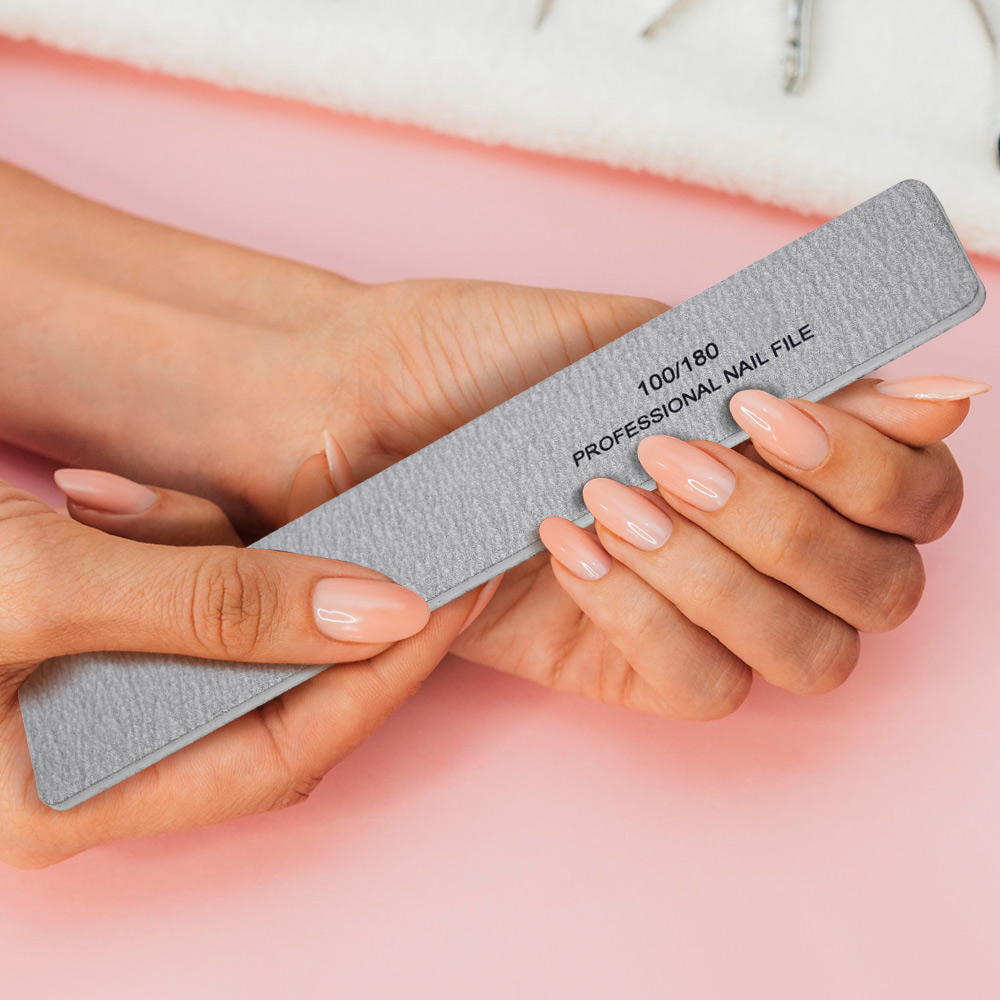
Over-buffing. Buffing smooths ridges, but over-buffing thins the nail plate. Two or three gentle passes are enough.
When to Seek Professional Help
Most nail problems can be managed with home care, but there are times when you should see a doctor or dermatologist. If you notice persistent discoloration that does not grow out, thickening or crumbling of the nail, changes in shape or texture, or signs of infection such as redness, swelling, pain, or pus—seek professional advice. Nail changes can sometimes indicate underlying health conditions such as anaemia, thyroid disorders, or psoriasis.
The Bottom Line
Caring for your nails is not complicated, but it requires consistency. Keep them clean and dry, trim them correctly, push back cuticles gently, and moisturise daily. Eat a balanced diet rich in protein, biotin, iron, and zinc. Avoid using your nails as tools, and treat your nails with care and patience. With a little attention and the right habits, you can enjoy strong, beautiful nails that reflect good health.
Read also: The Professional Gel Manicure Toolkit: Tools, Products, and Techniques for Flawless Results


One comment on “The Complete Guide to Professional Nail Care: How to Keep Your Nails Healthy and Strong”