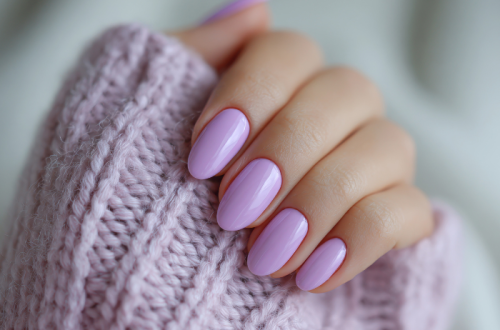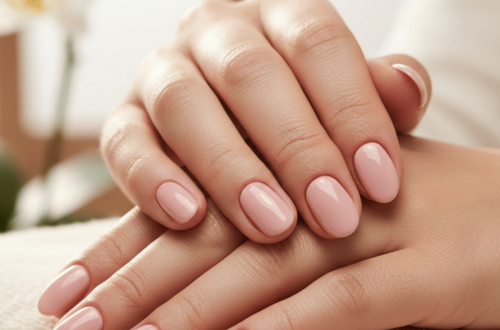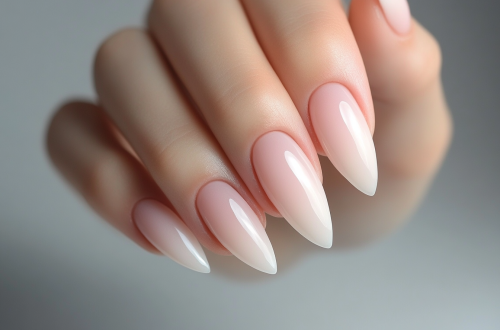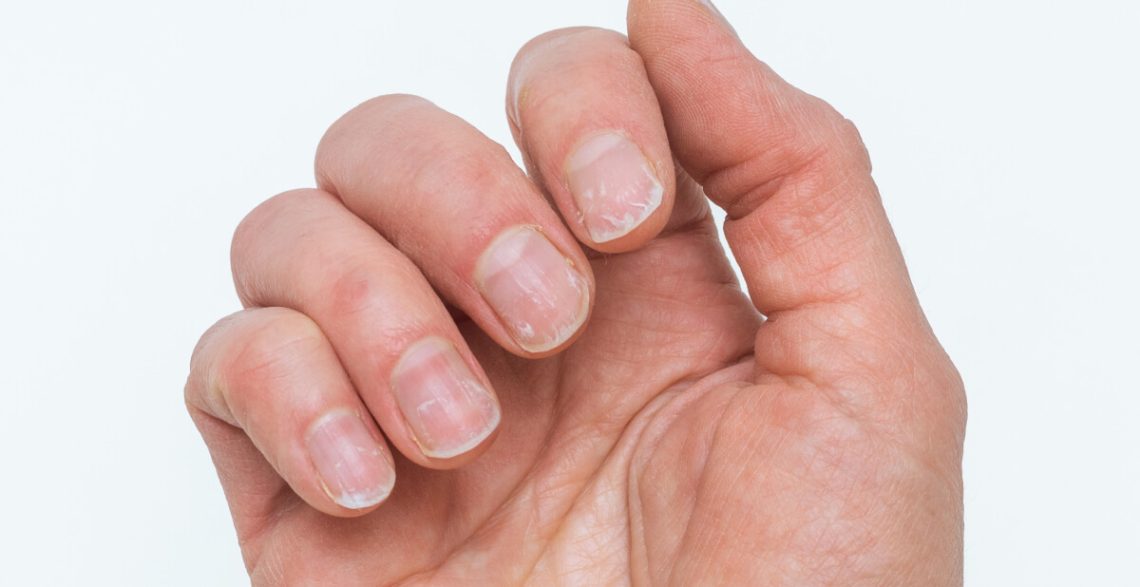
Have you ever filed your nails, only to watch them bend, break, or peel within days? You’re not alone. Weak, brittle nails are among the most common concerns in nail care—and the good news is that most cases are fixable without expensive salon treatments. This guide covers what nail strengthening actually is, why nails become fragile, how to restore them, and the lasting benefits of consistent care.
What Is Nail Strengthening?
Nail strengthening is the process of reinforcing your natural nails to make them tougher, more resilient, and less prone to splitting, peeling, or breaking. Nail strengtheners are typically clear polishes or serums you brush on like a top coat. They act in two ways: some create a stiff protective layer over the nail, while others penetrate the nail plate to fill microscopic gaps and repair weakened bonds from within. A 2025 report from Glamnetic notes that key ingredients such as hydrolyzed keratin, calcium, hyaluronic acid, and biotin work together to mimic the nail’s natural structure and reinforce its integrity. Unlike regular nail polish, these products are formulated not for color, but for repair and protection.
Why Do Nails Become Weak and Brittle?
Soft, peeling, or splitting nails—often called onychoschizia—are rarely the result of serious disease. In most cases, the culprit is repeated wetting and drying of the fingernails. Frequent handwashing, doing dishes without gloves, or using hand sanitizers strips moisture from the nail plate faster than it can be replenished. As we age, nail growth slows and the natural oils that hold nail layers together diminish, making them more vulnerable to environmental stressors.
Beyond lifestyle factors, underlying issues can also play a role. Hypothyroidism, iron deficiency anemia, low zinc, and inadequate B vitamins are all linked to nail fragility. Strong chemical exposure—from detergents, cleaning fluids, or repeated use of acetone-based nail polish removers—can also damage the nail structure over time. Dermatologists caution that weak nails may also arise from eczema, psoriasis, or fungal infections, though these are less common in otherwise healthy individuals.
How to Strengthen Weak, Brittle Nails
Strengthening your nails requires a consistent two‑pronged approach: internal nutrition and external protection.
1. Rethink your nail care routine
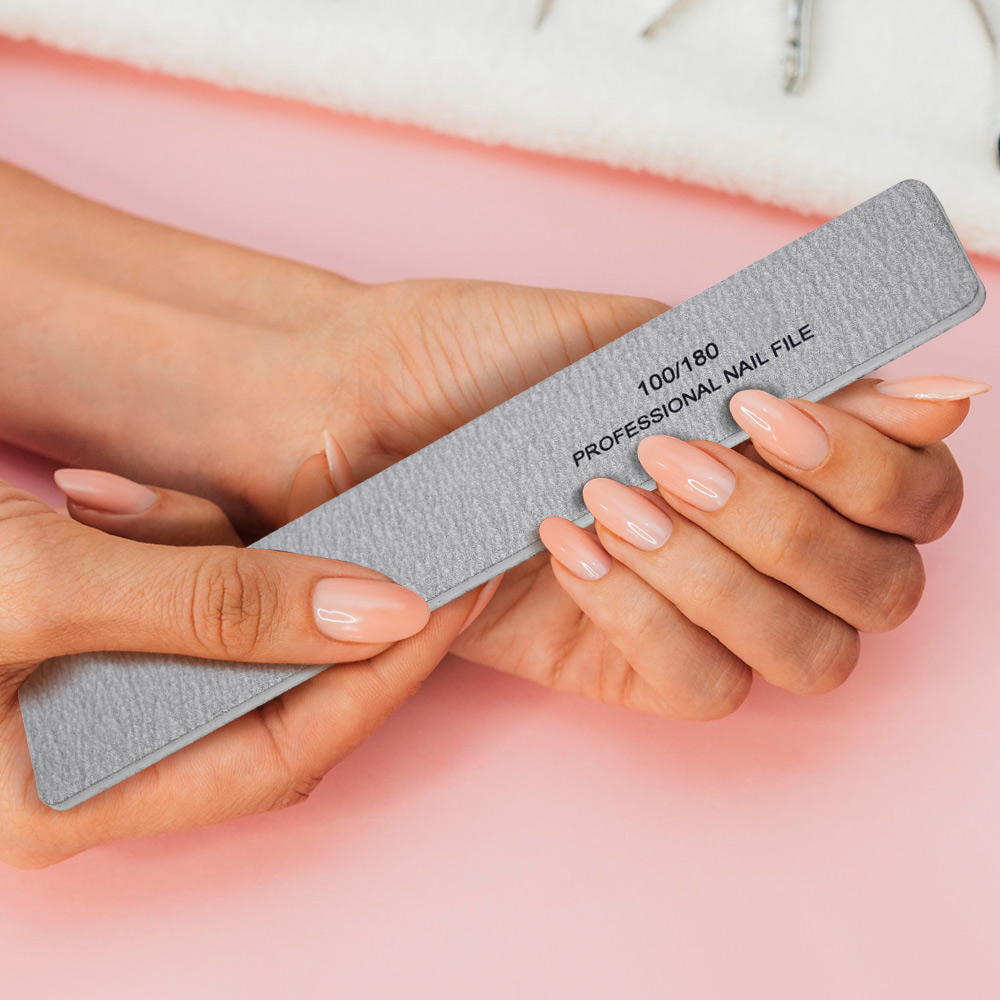
- Trim and file correctly. Keep nails shorter while they recover to minimize the risk of catching or tearing. File in one direction only—never saw back and forth—using a fine‑grit (240+) nail file.
- Limit harsh products. Reduce use of acetone‑based removers and give your nails occasional breaks from polish entirely to let them breathe and recover.
- Moisturize relentlessly. Dry nails are brittle nails. Apply a thick lanolin or AHA‑based hand cream after every hand wash, and consider “nail slugging”—applying a heavy occlusive balm before bed.
2. Use a nail strengthener wisely
Apply a thin coat of a fiber‑infused or hydrating nail strengthener once a week. Look for products containing hydrolyzed keratin, calcium, biotin, or hyaluronic acid. Avoid formulas with formaldehyde, which can paradoxically make nails more rigid and prone to snapping over time.
3. Support your nails from within
- Biotin (vitamin B7). Several studies have found that taking 2.5 to 5 mg of biotin daily can increase nail thickness by about 25% in people with brittle nails and reduce splitting noticeably. A Cleveland Clinic report notes that 5 to 10 mg per day for three to six months is a common therapeutic range for brittle nails under medical guidance.
- Iron and zinc. Low iron levels directly correlate with thin, spoon‑shaped nails. Include lean red meat, poultry, beans, lentils, and iron‑fortified cereals in your diet.
- B vitamins and protein. Nails are made of keratin, a protein. Eggs, nuts, whole grains, and leafy greens provide the building blocks for resilient nail growth.
4. Wear gloves for wet work
Rubber or nitrile gloves are a non‑negotiable tool for nail strengthening. Use them for dishwashing, house cleaning, and any task that involves prolonged water or chemical exposure.
The Benefits of Nail Strengthening
Stronger nails mean fewer breaks during daily tasks, from typing to opening packages. They can grow longer without splitting at the edges, and the surface becomes smoother and shinier to the touch. Strengtheners also prepare the nail plate to hold polish better, so your manicures last longer and look more professional. Many people also report faster perceived growth, because the protective layer reduces the microscopic damage that normally slows progress.
Perhaps the greatest benefit is peace of mind. Instead of constantly checking for tears or hiding your hands, you can enjoy nails that look and feel healthy—nails that finally cooperate with your lifestyle.
The Bottom Line
Transforming weak, brittle nails doesn’t require magic or expensive salon treatments. It requires consistency: moisturize daily, file correctly, protect your hands from water and chemicals, and nourish your body with protein, biotin, and iron. With a few simple changes and a little patience, you can turn fragile nails into strong, resilient ones that grow longer and look better than ever.
Got a stubborn nail issue or a tip that worked for you? Drop your experience in the comments—I’d love to learn from you.
Read also: Gel Polish vs. Regular Nail Polish: A Complete Guide to a Longer-Lasting Manicure